SLV Air
SLVair.com provides real-time air quality measurements for sites across all six counties of the San Luis Valley, along with information that helps residents interpret conditions and make decisions about everyday activities.
Air quality can vary hour by hour with weather, wind, and other environmental factors. The network is designed to make those local changes easier to see.
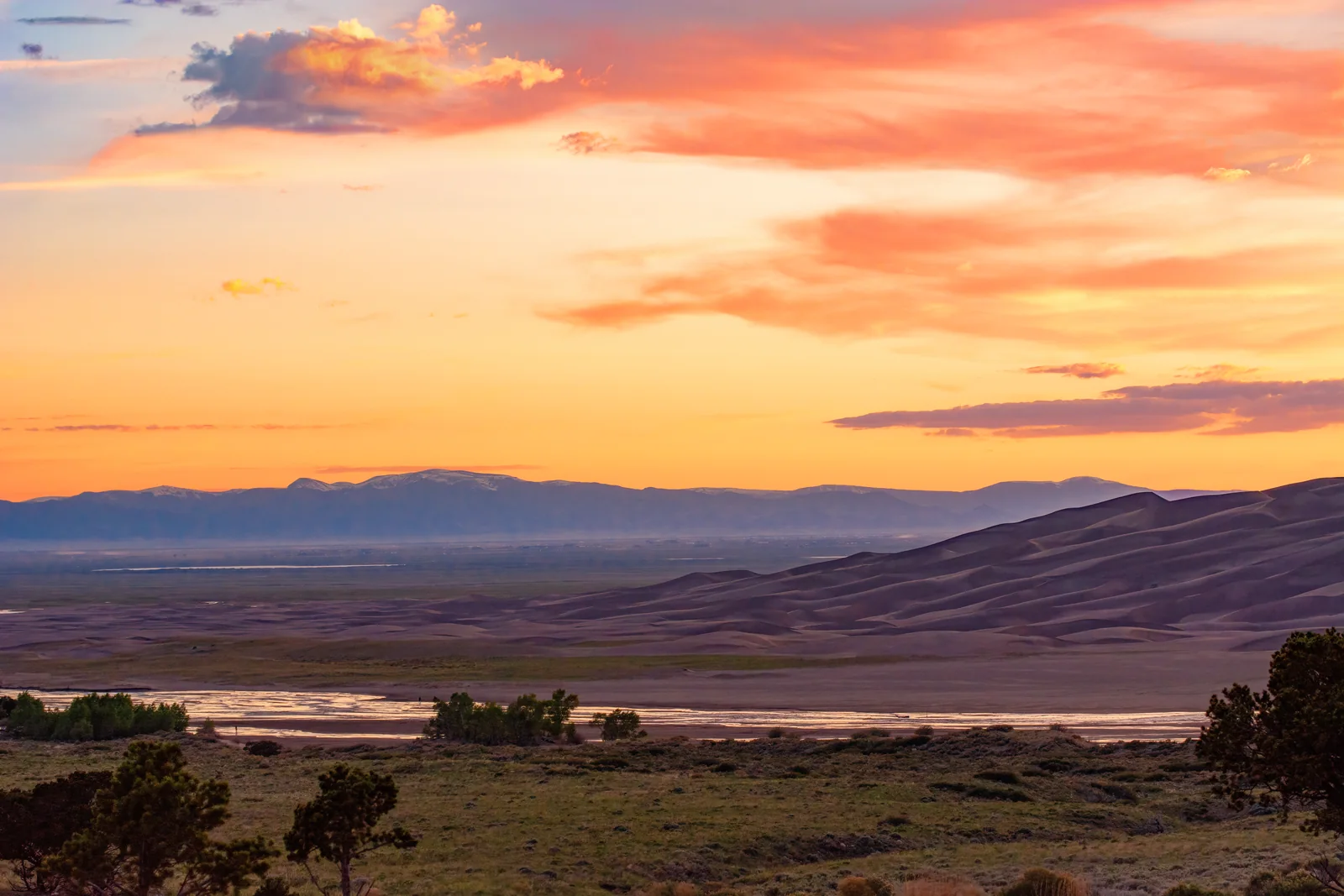
Local measurements for a large, varied Valley
A regional monitoring network helps residents and communities evaluate current conditions, identify areas with elevated particulate matter, and decide when modifying outdoor activities may help reduce exposure.
Monitoring sites are hosted at schools and universities, fire departments, public health departments, and recreation areas across the Valley. Measurements are shared publicly through SLVair.com.
A community network
SLV Air is possible through collaborations among universities, community organizations, public agencies, and the local organizations that host monitoring equipment.
Key ongoing partners
- Adams State University, Department of Engineering
- Colorado School of Public Health / University of Colorado Anschutz
- Colorado State University
- San Luis Valley Ecosystem Council
Site hosts
- Adams State University
- Alamosa County Public Health
- Capulin Library
- Colorado State University Agriculture Research Campus
- Conejos County Public Health
- Costilla Public Health
- Manzanillo Elementary School
- Moffat Fire Station
- Sangre de Cristo Schools
- Saguache Fire Station
- Sierra Grande Schools
- Silver Thread Public Health District (Mineral County)
- South Fork Fire Station
- Villa Grove Fire Station
- Wolf Creek Ski Area
How were monitoring locations selected?
A Community Advisory Board (CAB) made up of community members, public health and medical practitioners, farmers, and policy professionals from across the San Luis Valley completed a process to identify high-priority areas for air quality monitors.
Sites were distributed throughout the Valley, with priority given to areas frequented by children and other high-risk individuals. Placement also considered environmental factors including wind and soil erosion patterns.
Support for SLV Air
Funding was provided by the National Institutes of Health (NIH), specifically the Mountain West Alliance for Community-Engaged-Partnering in Actions Towards Health (ACE-PATH). The website is also made possible through the partnerships and collaborations listed above.